
Buying Guide
The Complete Guide to Wood Floor Beds: Why Low-Profile Sleeping Is Perfect for Your Child
Jul
The Complete Guide to Wood Floor Beds: Why Low-Profile Sleeping Is Perfect for Your Child
If you have been shopping for a kids’ bed recently, you have probably come across the term “wood floor bed” and wondered what makes it different from a standard bed frame. Unlike traditional raised bed frames that sit high off the ground with a box spring, a wood floor bed is designed to sit very low — sometimes just a few inches above the floor. This simple design choice brings a surprising number of benefits for families, especially those with toddlers and young children making the transition from a crib.
In this guide, we will walk through everything you need to know about wood floor beds: why parents love them, what to look for when buying one, and how they compare to other low-profile options like Montessori floor beds and platform beds. If you are exploring other space-saving options, be sure to check out our Twin Over Twin Bunk Bed with Slide guide for more fun room ideas.
What Is a Wood Floor Bed?
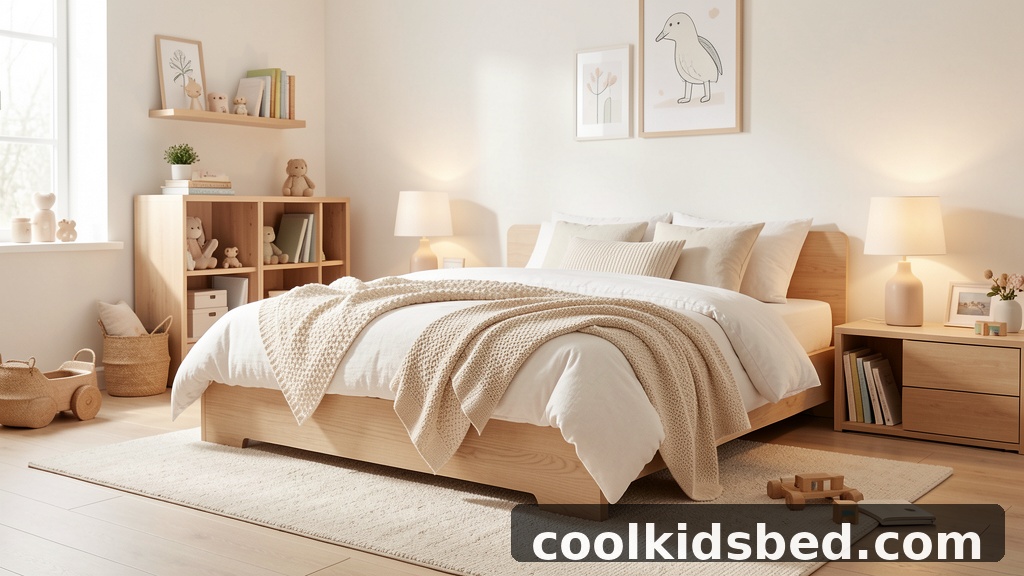
A wood floor bed is exactly what it sounds like — a bed frame made from wood that sits low to the ground, typically with a mattress platform that is only 4 to 8 inches above the floor. Unlike a standard bed that requires a box spring and sits 18 to 24 inches high, a wood floor bed uses a slatted or solid base that supports the mattress directly.
The defining characteristic of a wood floor bed is its low-profile design. This makes it an excellent choice for:
- Toddlers transitioning from a crib who need a safe, low-to-the-ground sleeping surface
- Montessori-style bedrooms where the child can independently get in and out of bed
- Small rooms where a bulky bed frame would feel overwhelming
- Families looking for a minimalist, natural aesthetic
Why Choose a Wood Floor Bed for Your Child?
There are several compelling reasons parents increasingly choose wood floor beds over traditional raised bed frames.
Safety First
The low height of a wood floor bed eliminates the risk of serious injury from falls. If your child rolls out of bed during the night, the drop is minimal — often just a few inches. This is especially important for toddlers and young children who move around a lot in their sleep. Many parents find that a wood floor bed gives them peace of mind that a traditional raised bed simply cannot match.
Independence and Confidence
One of the core principles of the Montessori approach to children’s bedrooms is creating an environment the child can navigate independently. A wood floor bed supports this perfectly. Your child can climb in and out of bed without help, building confidence and motor skills. This independence can make bedtime routines smoother and help with the transition from crib to bed.
Space-Saving Design
Because wood floor beds sit low to the ground, they make a room feel larger and more open. The lower visual profile means the bed does not dominate the room the way a bulky raised bed frame can. This is a huge advantage in smaller shared bedrooms or rooms with low ceilings. For more space-saving ideas, check out our comparison of top kids double beds for 2026.
Natural Materials and Aesthetic
Wood floor beds are typically made from solid wood like pine, oak, or birch, giving them a warm, natural look that fits into almost any decor style. Unlike metal frames that can feel cold or clinical, a wood bed frame adds warmth and texture to a child’s room. Over time, the wood can be stained, painted, or refinished to match a growing child’s changing tastes.
Key Features to Look for in a Wood Floor Bed
When shopping for a wood floor bed for your child, here are the most important features to consider.
Solid Wood Construction
Not all wood beds are created equal. Look for frames made from solid hardwood like pine, rubberwood, or New Zealand pine. Avoid particle board or MDF, which can warp or break under weight. A well-constructed solid wood floor bed can last through multiple children and decades of use.
Guardrails
Even though the bed is low to the ground, guardrails are still important for younger children. Many wood floor beds come with partial or full-length guardrails to prevent your child from rolling off the mattress entirely. Some designs incorporate the guardrails as part of the bed frame itself, creating a cozy, nest-like feel.
Slat Support System
The best wood floor beds use a slatted base to support the mattress. Wood slats allow air to circulate under the mattress, preventing mold and mildew buildup. They also provide just enough flexibility for comfort while remaining sturdy. Look for beds with slats spaced no more than 2 to 3 inches apart for proper mattress support.
Weight Capacity
Check the maximum weight rating before purchasing. A well-built wood floor bed should support at least 250 to 400 pounds, accommodating both your child and the occasional parent who sits on the bed for story time or tuck-in.
Wood Floor Bed vs. Montessori Floor Bed: What Is the Difference?
Many parents use these terms interchangeably, but there is a subtle difference. A Montessori floor bed is a specific educational philosophy that places the mattress directly on the floor with no frame at all — or sometimes with a very low frame that is essentially at floor level. The idea is to give the child complete freedom of movement.
A wood floor bed, on the other hand, raises the mattress a few inches off the floor using a wooden frame and slat system. This small elevation provides several advantages:
- Better airflow under the mattress, reducing moisture buildup
- Protection from drafts and cold floor temperatures
- A defined sleeping area that looks intentional and polished
- Easier cleaning underneath the mattress
For most families, a wood floor bed offers the best of both worlds — the low height and independence of a Montessori floor bed with the durability and ventilation of a proper bed frame.
How to Choose the Right Mattress for a Wood Floor Bed
Because a wood floor bed does not use a box spring, you need a mattress that works well on a slatted or solid platform base. Here are the best options:
- Memory Foam Mattresses: These work extremely well on platform beds because they do not require a box spring. Look for a mattress that is 6 to 8 inches thick for the right balance of comfort and support.
- Innerspring Mattresses: These can also work, but make sure the slats are close enough together (2 to 3 inches apart) to support the springs. Some innerspring mattresses may be too thick for a low-profile floor bed aesthetic.
- Latex Mattresses: Latex is naturally antimicrobial and dust-mite resistant, making it an excellent choice for children with allergies. It is also very durable and maintains its shape well on a slatted base.
Regardless of the type, choose a mattress that is firm enough for safe sleep. The American Academy of Pediatrics recommends a firm mattress for children to reduce the risk of suffocation.
Looking for more options? Browse our selection of top-rated wood floor beds for kids on Amazon.
Assembly and Maintenance Tips for Wood Floor Beds
Setting up a wood floor bed is typically straightforward. Most models arrive as a flat-pack with all necessary hardware included. Here are a few tips to make assembly go smoothly:
- Lay out all parts and hardware before starting. Most floor beds have fewer components than raised beds, so assembly is usually simpler.
- Use a power drill with a clutch setting to avoid overtightening screws into the wood.
- Check all bolts and connections after the first week of use, as the wood settles and minor adjustments may be needed.
- Clean the slats and frame regularly with a damp cloth. Avoid harsh chemical cleaners that could damage the wood finish.
- If the bed uses a solid platform instead of slats, drill a few small ventilation holes to allow airflow if the manufacturer has not already done so.
Frequently Asked Questions About Wood Floor Beds
At what age can a child use a wood floor bed?
Most children transition to a floor bed between 18 months and 2 years of age, when they start climbing out of their crib. Always choose a bed that matches your child’s developmental stage and size.
Are wood floor beds safe for toddlers?
Yes, when properly constructed with rounded edges, non-toxic finishes, and appropriate guardrails. The low height makes them one of the safest bed options for toddlers.
Can you use a box spring with a wood floor bed?
No, a box spring is not needed and would defeat the purpose of the low-profile design. Wood floor beds are designed for direct mattress placement on the slatted platform.
How close to the floor is a wood floor bed?
Most wood floor beds sit 4 to 8 inches off the floor, depending on the design and the thickness of the frame.
Do wood floor beds require special sheets?
No, standard fitted sheets work fine. The low height means making the bed is actually easier since you do not have to reach up to tuck in corners.
Final Thoughts
A wood floor bed is more than just a piece of furniture — it is an investment in your child’s safety, independence, and the overall feel of their bedroom. The combination of natural wood construction, low-profile design, and durable construction makes it a smart choice for families who want a bed that grows with their child.
Whether you are setting up a toddler’s first big-kid bed or redesigning a shared kids’ room, a wood floor bed offers the perfect blend of safety, style, and practicality. Take your time choosing a well-built solid wood frame, pair it with the right mattress, and your child will enjoy years of comfortable, independent sleep.