
Buying Guide
Full XL Over Queen Bunk Bed with Ladder: A Complete Buying Guide for Growing Families
Aug
Full XL Over Queen Bunk Bed with Ladder: A Complete Buying Guide for Growing Families
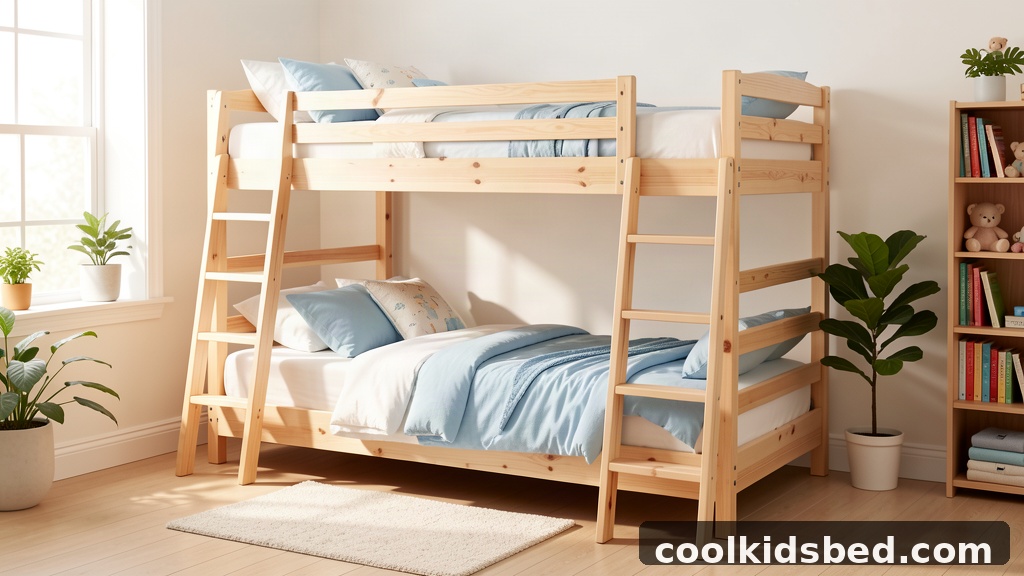
A full XL over queen bunk bed with ladder is a two-level bed frame that pairs a full XL mattress on the upper bunk with a queen mattress below, connected by a side-mounted ladder. It gives a growing teen their own full-size sleeping surface while parents or guests get queen-size comfort underneath, inside one bed footprint.
Families outgrow twin bunks faster than they expect. The child who fit a twin at eight is suddenly six feet tall at fifteen, and the sleepover guest who used to curl up happily on a twin now wants real space. That is where this configuration earns its keep. The full XL top bunk measures 54 inches wide by 80 inches long, which is the same length as a queen. The lower bed takes a standard queen mattress at 60 by 80 inches. Both sleepers get adult-length support, and the whole unit rarely needs more than a 65 by 85 inch floor area.
Why Choose a Full XL Over Queen Bunk Bed with Ladder?
Why pick this over a twin over full or a queen over queen? A twin over full bunk bed gives the top sleeper only 38 by 75 inches, which feels cramped for taller teens. A queen over queen bunk bed pushes the frame wider and heavier, and it often raises the top mattress too high for comfortable climbing. The full XL over queen sits in the middle: enough room up top for a teenager, enough room below for two guests, and a top height that stays manageable with a straight or angled ladder.
This layout also solves the classic two-sleeper problem. A teen gets a full-size bed without giving up floor space to a second bed frame, and the queen below doubles as a guest bed for grandparents or overnight visitors. Families with one child and a home office that occasionally becomes a guest room get the most value here, because the lower bunk pulls double duty without eating into the room’s daytime floor plan.
Full XL vs Queen: What the Sizes Actually Mean
Mattress sizing trips up a lot of shoppers, so here is the plain version. A standard full mattress is 54 by 75 inches. A full XL mattress stretches that to 54 by 80 inches, adding five inches of legroom without changing the width. A queen mattress is 60 by 80 inches, four inches wider than a full XL and the same length. That means the top and bottom bunks line up almost perfectly at the head and foot, which keeps the frame stable and the proportions clean.
Before you buy, confirm the frame actually takes a full XL up top rather than a standard full. Some listings say “full over queen” but the top support is sized for a 75-inch mattress, which leaves a gap at the foot of a true XL. Read the product dimensions twice, and if the listing says full XL over queen, check the stated mattress sizes in the spec sheet. The Bellemave full XL over queen bunk bed, for example, is built around a full XL top and a queen bottom, with an overall frame of roughly 84.6 inches long by 63.5 inches wide by 58.3 inches tall.
Measure the Room and the Ceiling First
Most full XL over queen frames stand between 70 and 75 inches tall, and the top bunk needs at least 30 inches of clearance above the mattress for a sleeper to sit up. If your ceiling is under 95 inches, check the exact frame height and subtract mattress thickness plus the sleeper’s torso height. A 10-inch mattress on a 72-inch frame leaves 66 inches of headroom under an 8-foot ceiling, which is workable for most teens but tight for a lanky high schooler.
Floor space matters too. The frame footprint is roughly 65 by 85 inches, but you want 24 to 30 inches of walking room on the ladder side and a clear path to the door. Push the unit against the longest wall, keep the window side open, and leave space for a dresser or desk. If the room is narrow, an L-shaped or low-profile version might fit better, and our guide to full XL loft beds with staircases covers that alternative in detail.
Ladder Options: Straight, Angled, and Stair-Style
Ladder style matters more than most parents think. A straight vertical ladder saves floor space but takes more grip strength, so it suits kids ten and up. An angled ladder is easier on knees and ankles, and it makes the top bunk feel less intimidating for younger kids. A few frames ship with stair-style steps instead, which are the easiest to climb but add about 18 inches of depth on the side. If you are comparing options, our breakdown of bunk bed ladders versus stairs explains the trade-offs in detail.
Whichever style you pick, look for a ladder that attaches to the frame with bolts rather than hooks. Hook-on ladders wiggle loose over time, and a wobbly ladder is the first thing kids complain about at night. Angled ladders with wide, textured steps are the safest for bare feet, and a handrail on both sides helps younger climbers feel secure. If the frame comes with a ladder on the side, position it away from the door so a sleepy kid does not trip over an open step in the dark.
Safety Checklist for a Full XL Over Queen Bunk Bed
Safety comes first with any bunk, and the full XL over queen is no exception. Federal guidelines call for guardrails on all four sides of the top bunk, or at least on every side that is not against a wall, with the rail extending at least five inches above the mattress top. The gap between the mattress and the guardrail should be snug, because kids roll. Most quality frames use a 14-inch guardrail and hold the upper bunk to a weight limit around 200 to 250 pounds. The lower queen bed typically supports up to 400 to 500 pounds, which is why it works for parents or adult guests.
Keep the top bunk off limits for children under six, and skip the top bunk entirely if you have a toddler who might try to climb the ladder at night. Use a mattress that fits the frame snugly; a gap bigger than a couple of inches between the mattress edge and the guardrail is an entrapment risk. Anchor the frame to the wall studs with the included hardware or a simple furniture strap, and re-check the bolts every few months. Our bunk bed safety checklist walks through the full routine.
Wood vs Metal: Which Frame Is Right for You?
Wood versus metal is the other big decision. Solid pine frames, like the Bellemave full XL over queen bunk bed, look warm and blend into a bedroom easily. They measure roughly 84.6 inches long by 63.5 inches wide by 58.3 inches tall, and the wood construction feels sturdy once assembled. Metal frames from DHP or Donco tend to cost less and weigh less, but they can squeak after a year of nightly climbing unless the joints are reinforced. Walker Edison and Storkcraft both make wood bunks with cleaner lines and higher price tags, usually in the $700 to $1,200 range. Budget metal options run $400 to $650, while a solid pine unit like the Bellemave typically lands between $550 and $850.
Think about maintenance too. Wood hides scuffs better and is easier to touch up, while powder-coated metal chips if a toy gets thrown hard enough. Wood frames are heavier and harder to move, which is actually a plus for stability. If the room has a strong style direction, match the frame to it: modern farmhouse rooms suit the Walker Edison look, industrial rooms suit Donco’s heavy steel, and bright kids’ rooms suit the lighter pine finishes.
How to Choose and Set Up Your Full XL Over Queen Bunk
Assembly is a two-person job no matter which brand you choose. Set aside an afternoon, clear the room, and follow the manual step by step. Most kits arrive with the slats, guardrails, ladder, and hardware packed flat. Tighten every bolt before you move on, and re-tighten everything after a week of use, because wood settles and metal expands. Anchor the frame to the wall if the instructions allow it. That single step removes most of the wobble risk and satisfies the safety requirements many parents want for a high bunk.
Here is the short version of how to pick the right unit. Measure the room and the ceiling first. Confirm the top bunk takes a standard full XL mattress, 54 by 80 inches, and the lower takes a queen, 60 by 80 inches. Choose a ladder style your kids can actually climb comfortably. Check the guardrail height and the weight limits for both levels. Pick wood or metal based on your budget and the room’s decor. And never skip the wall anchoring.
What to Expect to Pay
Pricing shifts with sales, but the ranges stay stable. A solid pine full XL over queen bunk with ladder, like the Bellemave Full XL Over Queen Bunk Bed on Amazon, generally sells between $550 and $850. Freight shipping can add $50 to $150 depending on your location, so factor that in before you compare prices. Wood units hold value better than metal and are easier to resell when the kids finally move out.
Set a budget that includes the mattresses, because neither comes with the frame. A decent full XL mattress runs $200 to $400, and a queen runs $250 to $500, so the total project lands somewhere between $1,000 and $1,700 for a wood frame with two new mattresses. If that feels steep, shop seasonal sales around Labor Day and Black Friday, when bunk bed prices drop 15 to 25 percent and freight deals appear more often.
Final Thoughts
The full XL over queen bunk bed with ladder is the practical answer for families with a teenager and a guest room that has to do double duty. It fits the same footprint as a large bed, gives both sleepers adult-sized space, and keeps the room usable during the day. Measure twice, anchor the frame, and this bunk will carry your family through the teen years without a second thought.