
Buying Guide
L Shaped Bed with Trundle vs Bunk Beds Which Saves More Space
Feb
When it comes to saving space, both bunk beds and an L-shaped bed with trundle have their advantages. Bunk beds stack vertically, maximizing floor space, while L-shaped platform beds are designed to fit seamlessly into corners, making them ideal for smaller rooms. I’ve found that the decision often depends on your room’s layout and specific needs. For instance, if you’re setting up a shared bedroom or guest room, an L-shaped bed with trundle provides versatility. It offers separate sleeping areas and frequently includes built-in storage, helping to keep the room tidy and organized. On the other hand, bunk beds are a great solution for tight spaces where vertical height isn’t a concern.
Whether you’re furnishing a compact apartment or a cozy guest room, choosing the right bed can transform your space into a functional and efficient setup.
Key Takeaways
- L-shaped beds with trundles fit in corners well. They save floor space and give extra sleeping spots for guests or sleepovers.
- Bunk beds use vertical space by stacking beds. They are great for small rooms where space is tight.
- L-shaped beds with built-in storage help keep rooms tidy. This is great for families or shared spaces.
- Bunk beds work well for siblings, helping them bond. They are fun to climb but need guardrails for safety.
- Pick bunk beds or trundle beds based on your room’s shape. Think about your family’s comfort and needs.
L Shaped Bed with Trundle
Design and Features
Corner configuration and trundle functionality
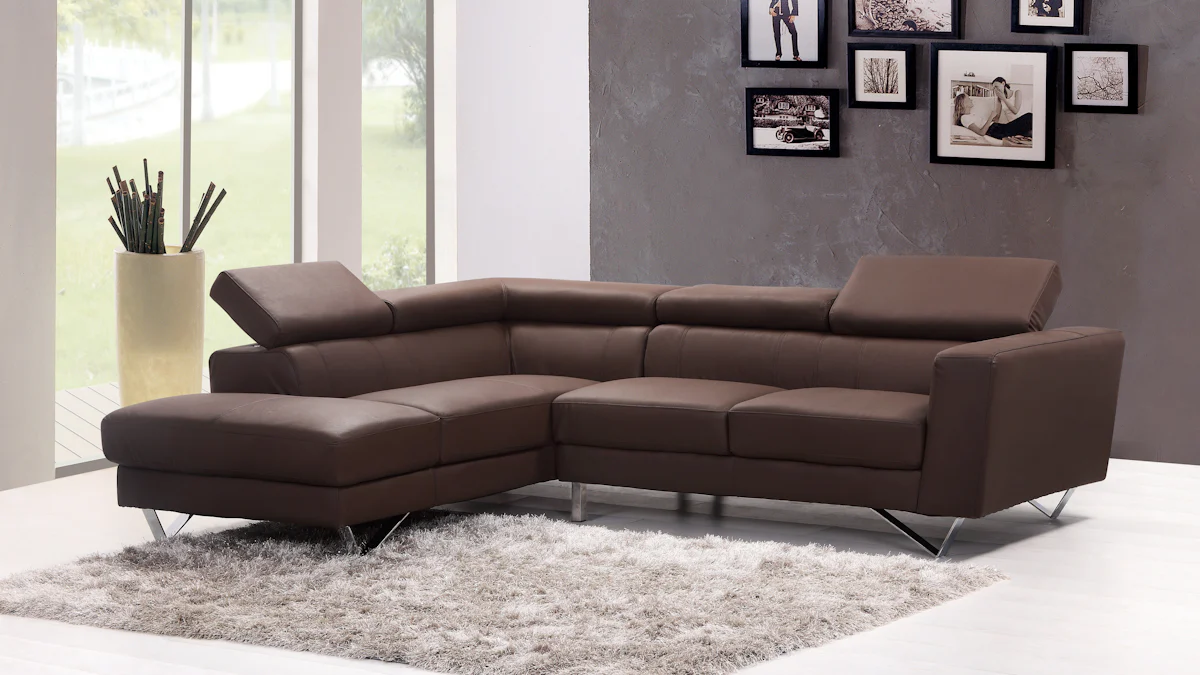
I’ve always loved how the corner configuration of an L shaped bed with trundle makes it a perfect fit for smaller spaces. These beds nest neatly into the corner of a room, leaving plenty of open floor space for other furniture or activities. The trundle feature is a game-changer too. It slides out effortlessly, creating an extra sleeping area when needed. Whether it’s for a sleepover or hosting guests, this functionality ensures you’re always prepared.
Built-in storage and desk options
What really sets an L shaped bed with trundle apart is its multi-functional design. Many models, like the SECOLI bed, come with built-in storage options such as drawers or shelves. These are perfect for stashing away clothes, toys, or other essentials. Some even include a built-in desk, which doubles as a workspace or an oversized nightstand. Here’s a quick breakdown of the key design elements:
| Design Element | Functionality Description |
|---|---|
| Space-saving design | Fits snugly into corners, accommodating multiple sleeping arrangements. |
| Additional storage options | Includes drawers for storing daily necessities like socks or clothes. |
| Versatile configurations | Can sleep up to three people, making it ideal for families or hosting guests. |
| Built-in square table | Serves as a durable nightstand or workspace between the beds. |
Space-Saving Benefits
Optimizing floor space with an L-shaped layout
The corner configuration of an L shaped bed with trundle is ideal for smaller rooms. It maximizes the available floor area while maintaining a clean and organized look. I’ve found this design especially useful in compact apartments or shared bedrooms. It allows for multiple sleeping arrangements without compromising the room’s layout.
Multi-functional design for storage and workspaces
These beds don’t just save space—they transform it. The built-in storage and desk options make them incredibly versatile. You can keep the room clutter-free with under-bed storage while also having a dedicated workspace. This multi-functional design is perfect for families or anyone looking to make the most of their living area.
Suitability for Different Rooms
Ideal for guest rooms or shared spaces
If you’re setting up a guest room or a shared space, an L shaped bed with trundle is a fantastic choice. It provides separate sleeping areas, ensuring privacy for each occupant. Plus, the additional storage options help keep the room tidy and welcoming for guests.
Best for families needing extra storage
For families, these beds are a lifesaver. They offer personal space within shared environments, making them great for siblings. The built-in drawers or shelves provide ample storage for clothes, toys, or other items, keeping everything organized. Whether it’s a child’s bedroom or a vacation home, this bed adapts to your needs effortlessly.
Discover the SECOLI Bed Frame
Explore the perfect blend of style and functionality with the SECOLI Sturdy Metal Twin Size Bed Frame. Click to learn more!
Bunk Beds
Design and Features
Vertical stacking for floor space efficiency
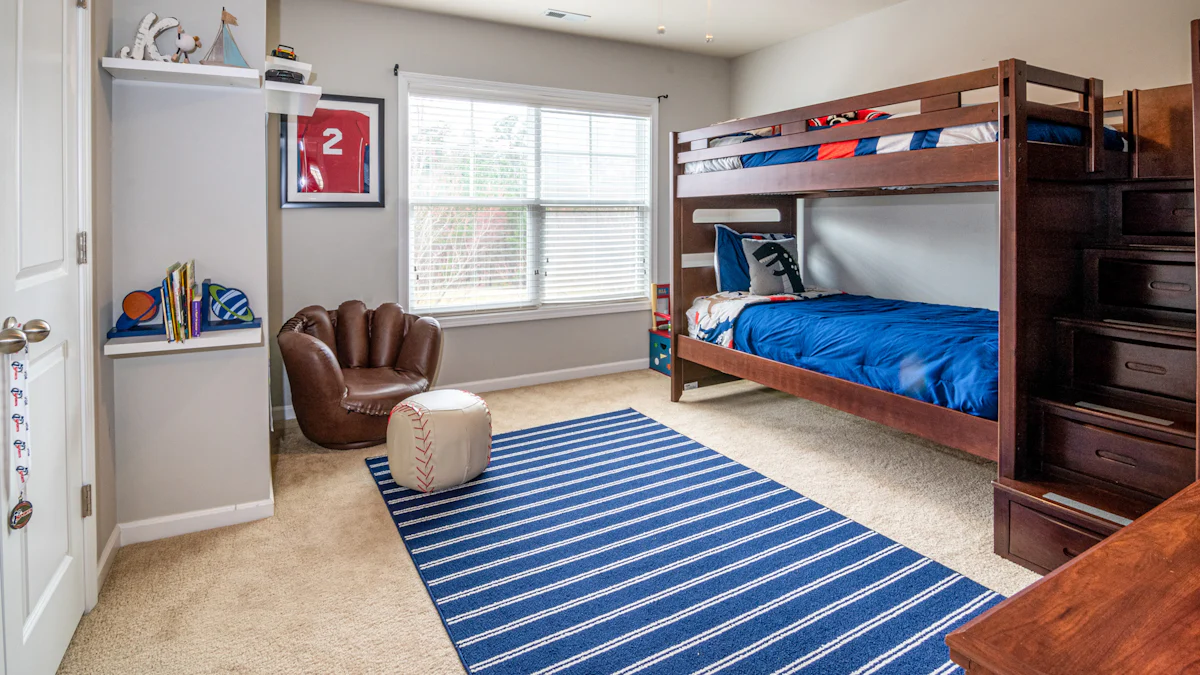
I’ve always admired how bunk beds make the most of vertical space. By stacking one bed on top of the other, they free up a significant amount of floor area. This design is perfect for small rooms where every inch counts. A traditional bunk bed can save up to 20 square feet compared to two separate beds. That’s a lot of extra room for a desk, dresser, or even a play area.
Common materials and detachable options
When it comes to materials, bunk beds are usually made from wood or metal. I’ve noticed that wooden bunk beds, especially those crafted from solid wood like Brazilian Pine, are more durable and safer for kids. Metal bunk beds, on the other hand, are lighter and often more affordable. Some bunk beds even come with detachable options, allowing you to separate them into two individual beds. This flexibility makes them a long-term investment, especially as kids grow older or room layouts change.
Space-Saving Benefits
Maximizing vertical space in small rooms
Bunk beds are a lifesaver in compact spaces. They let you fit two sleeping areas into the footprint of one bed. I’ve seen families use this extra space for all sorts of things—study desks, toy storage, or even a cozy reading nook. Some bunk beds also include built-in storage, like shelves or drawers, which keep essentials organized and within reach.
- Here’s how bunk beds maximize space:
- Built-in storage options like drawers or shelves.
- Utilizing the vertical area above the bed.
- Adding trundle beds for extra sleeping space.
- Creating multi-functional rooms with fewer furniture pieces.
Customization with under-bed storage
I love how some bunk beds come with under-bed storage. These drawers or cabinets are perfect for stashing clothes, toys, or bedding. They eliminate the need for extra furniture, which keeps the room looking clean and spacious. I’ve found this feature especially useful in kids’ rooms, where storage is always in high demand.
Suitability for Different Rooms
Perfect for small bedrooms or shared spaces
Bunk beds shine in small bedrooms or shared spaces. They’re a popular choice for kids’ rooms, hostels, and even guest rooms. I’ve seen them work wonders in tight spaces, creating a cozy yet functional environment. Their vertical design ensures that the room doesn’t feel cramped, even with multiple occupants.
Best for siblings or children
If you’ve got siblings sharing a room, a bunk bed is a fantastic option. It saves space and encourages bonding. Kids often love the idea of climbing up to the top bunk, making bedtime more exciting. Plus, the extra floor space can be used for playtime or study areas. I’ve also noticed that bunk beds teach kids valuable lessons in sharing and cooperation, which is a nice bonus.
Key Differences in Space-Saving
Floor Space Usage
Footprint comparison of L-shaped beds and bunk beds
When it comes to floor space, I’ve noticed that bunk beds have a smaller footprint compared to L-shaped beds. Their vertical design stacks one bed on top of the other, which frees up a lot of room. This makes them perfect for tight spaces where every square foot counts. On the other hand, L-shaped beds take up more floor space because of their corner configuration. While they fit snugly into a corner, the L-shape layout requires extra room to accommodate the design. If you’re working with a compact room, this is something to keep in mind.
Impact of trundles and vertical stacking
The trundle feature in L-shaped beds adds flexibility. You can slide it out when needed and tuck it away when not in use, which helps save space. However, bunk beds shine in vertical stacking. By going up instead of out, they maximize sleeping arrangements without eating into your floor area. This makes them a go-to choice for smaller bedrooms or shared spaces.
Ceiling Space and Room Height
Height requirements for bunk beds
Before choosing a bunk bed, I always recommend checking your ceiling height. Standard ceilings are usually 8 to 9 feet tall, and you’ll need at least 33 to 36 inches of clearance between the top bunk and the ceiling. This ensures that whoever sleeps on the top bunk can sit up comfortably without bumping their head. If your ceilings are lower than 8 feet, a bunk bed might not be the best option.
L-shaped beds in rooms with lower ceilings
L-shaped beds are a great alternative for rooms with lower ceilings. Their design is much lower, which means you don’t have to worry about headroom. The staggered layout also makes them more versatile in smaller spaces. I’ve found that they work especially well in apartments or rooms where vertical space is limited.
Storage and Functionality
Built-in storage in L-shaped beds
One of my favorite things about L-shaped beds is their built-in storage. Many models come with drawers or shelves under the top bed, which are perfect for keeping clothes, toys, or other essentials organized. Some even include built-in desks or seating, making them a multi-functional piece of furniture. This level of integration is hard to beat when you’re trying to save space and stay organized.
Add-ons and under-bed storage for bunk beds
Bunk beds, on the other hand, often rely on add-ons for storage. You can find models with under-bed drawers or shelves, but these aren’t always as seamlessly integrated as the storage in L-shaped beds. That said, the extra storage options still make bunk beds a practical choice for smaller rooms. They let you keep the room tidy without adding bulky furniture.
Practical Considerations
Safety
Risks of falls from bunk beds
When I think about bunk beds, safety is always a top concern. Did you know that around 36,000 bunk bed-related injuries happen every year in the U.S.? Most of these injuries occur when kids fall while sleeping or playing. Cuts, bruises, and even broken bones are common. I’ve noticed that children under six are especially at risk, with half of all injuries happening in this age group. To minimize these risks, I always recommend using guardrails on the top bunk and making sure the ladder is sturdy and secure.
Safety of trundles and L-shaped designs
Trundle beds, on the other hand, feel much safer to me. Since they’re closer to the ground, the risk of falls is almost nonexistent. This makes them a great option for younger kids or even older adults. L-shaped beds also have a safer design because they don’t require climbing ladders. I’ve found these designs to be more accessible and practical for families who prioritize safety.
Ease of Use
Accessibility of trundles vs. climbing bunk beds
I’ve always found trundles easier to use than bunk beds. You just slide the trundle out when you need an extra sleeper and tuck it back in when you’re done. It’s simple and quick. Bunk beds, however, require climbing up and down a ladder, which can be tricky, especially for younger kids or anyone with limited mobility. If ease of use is a priority, I’d go with a trundle bed every time.
Maintenance and cleaning differences
Keeping these beds clean and well-maintained is important. Bunk beds need regular checks to ensure the screws and bolts are tight. Loose parts can make the bed unstable. I also recommend inspecting the guardrails and ladder for wear and tear.
Maintaining an L-shaped bed is a bit different. You’ll want to clean the surfaces with a gentle cleaner and check the built-in storage for dust. I’ve noticed that these beds are easier to clean since they don’t have hard-to-reach areas like the top bunk of a bunk bed.
Suitability for Families
Best options for siblings sharing a room
For siblings sharing a room, bunk beds are a classic choice. They save space and create a fun sleeping arrangement. Kids love the idea of climbing to the top bunk, and it’s a great way to make the most of a small room. But if you’re looking for something more versatile, an L-shaped bed with a trundle might be better. It offers separate sleeping areas and extra storage, which is perfect for keeping kids’ bedrooms organized.
Considerations for guest rooms or multi-purpose spaces
When setting up a guest room or a multi-purpose space, I always think about comfort and versatility. A trundle bed works well for sleepover guests because it provides extra sleepers without taking up too much space. Here’s a quick table of considerations:
| Consideration | Description |
|---|---|
| Comfort | A comfortable sleeping area is essential, including quality bedding and supportive mattresses. |
| Privacy | Use room dividers or curtains to separate sleeping areas from other spaces in the room. |
| Versatility | Modular furniture can be rearranged or converted for different purposes, enhancing flexibility. |
| Neutral Color Scheme | A neutral color palette accommodates various decor styles and allows for easy updates. |
For families who need a shared room or a flexible setup, these space saving beds are a fantastic solution.
When it comes to saving space, both L-shaped beds with trundles and bunk beds bring unique advantages.
L-shaped bunk beds are a game-changing solution for maximizing space and style in a shared bedroom. Their clever design and versatility offer a practical and visually appealing solution for families and roommates.
I’ve found that L-shaped beds shine in versatility. They save space, provide storage, and adapt to various layouts.
- Trundle beds maximize limited space with their compact footprint.
- They combine two beds in one frame, reducing the need for extra furniture.
- Their design works perfectly for guest rooms, kids’ rooms, or vacation homes.
Bunk beds, on the other hand, are unbeatable for vertical space. They’re ideal for small rooms and siblings sharing a space. Ultimately, the best choice depends on your room’s layout and your family’s needs.
Pingback: A Guide to Choosing the Perfect Daybed with Trundle - Cool Kids Bed
Pingback: Top Tips for Picking the Best Space-Saving Bed for Twins - Cool Kids Bed
Pingback: Best Loft Bunk Beds for Vacation Rentals This Year - Cool Kids Bed