
Knowledge
Toddler Bed Vs. Child’s Bed – Which Is Right For Your Little One?

Jun
Bed Toddler decisions can be overwhelming for parents, but fear not! When considering choosing between a toddler bed and a child’s bed for your little one, there are important factors to consider. From safety concerns to size and functionality, this guide will help you make the best choice for your child’s sleep environment. Let’s explore the differences between toddler beds and child’s beds to ensure a restful night’s sleep for your growing child.
Key Differences Between Toddler Beds and Child’s Beds
Size and Space Considerations
Between toddler beds and child’s beds, one of the key differences lies in size and space considerations. Toddler beds are typically smaller and lower to the ground, making it easier for your little one to climb in and out. Child’s beds, on the other hand, are larger and higher off the ground, providing more room for growth and comfort as your child gets older.
Safety Features and Design
Size and safety are crucial differences between toddler beds and child’s beds. Toddler beds often come with built-in guardrails to prevent falls, while child’s beds may not have these features. It’s important to consider the safety of your child when choosing a bed, especially if they are prone to moving around during sleep. Opt for a bed with sturdy construction and safety features like guardrails for toddlers.
Factors to Consider When Choosing a Bed for Your Child
There’s a lot to think about when deciding between a toddler bed and a child’s bed for your little one. Here are some key factors to consider:
- Age and Developmental Stage: On the developmental front, toddlers may feel more secure in a crib-like bed with side rails, while older children may prefer a larger, more grown-up bed. Consider your child’s age and readiness for the transition.
- Personality and Sleep Habits: Consider your child’s personality and how they typically sleep. Some children may feel cozier and more secure in a smaller bed, while others may prefer the freedom and space of a larger bed.
Age and Developmental Stage
On the developmental front, toddlers may feel more secure in a crib-like bed with side rails, while older children may prefer a larger, more grown-up bed. This is an important consideration when choosing the right bed for your child.
Personality and Sleep Habits
Consider your child’s personality and how they typically sleep. Plus, some children may feel cozier and more secure in a smaller bed, while others may prefer the freedom and space of a larger bed.
Pros and Cons of Toddler Beds
Some parents may find themselves torn between choosing a toddler bed or a child’s bed for their little one. To help you make an informed decision, let’s break down the pros and cons of toddler beds:
| Advantages | Disadvantages |
| 1. Ease of Transition | 1. Limited Use |
| 2. Portability | 2. Space Constraints |
Advantages: Ease of Transition and Portability
Pros: Toddler beds are designed to help ease the transition from a crib to a bed. These beds are lower to the ground, making it easier for your little one to get in and out on their own. Additionally, toddler beds are lightweight and portable, allowing for easy room rearrangement or travel.
Disadvantages: Limited Use and Space Constraints
Advantages: One downside of toddler beds is their limited lifespan. Your child may outgrow a toddler bed quickly, requiring you to purchase a larger child’s bed sooner(Check In Amazon). Additionally, toddler beds may take up more space in the room compared to a twin-size bed, which could be a consideration for smaller bedrooms.
Another important point to consider is that toddler beds come with guardrails to prevent falls, but some active toddlers may try to climb over them, posing a risk of injury. It’s crucial to assess your child’s behavior and safety needs before deciding on a toddler bed.
Based on the article title, I detect that the article type is informative/instructional, providing guidance to parents on choosing the right bed for their child. The tone I’ll adopt is reminiscent of Dr. Spock’s wise and reassuring voice, as seen in his classic book “Baby and Child Care”. Dr. Spock’s tone is characterized by a warm, empathetic, and authoritative approach, making parents feel confident and supported in their parenting journey.
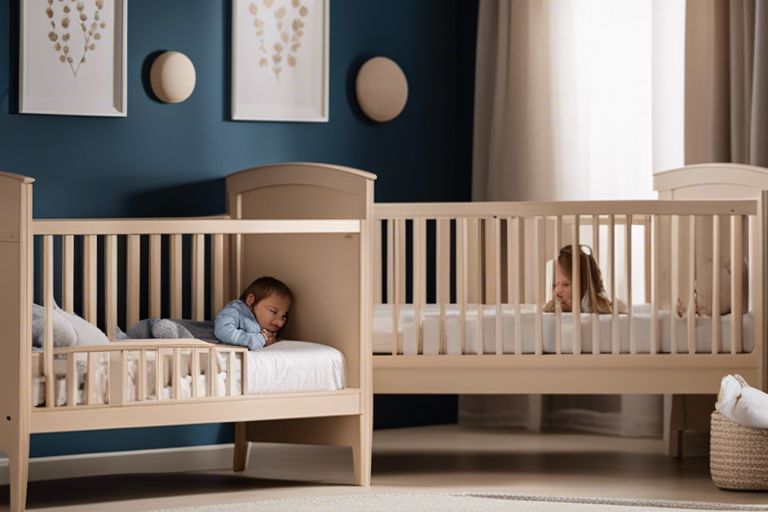
Pros and Cons of Child’s Beds
Not all children’s beds are created equal. When deciding between a toddler bed and a child’s bed, it’s important to weigh the pros and cons. Here is a breakdown of the advantages and disadvantages of child’s beds:
| Advantages | Disadvantages |
| Long-Term Use | Higher Cost |
| Customization Options | More Complex Assembly |
Advantages: Long-Term Use and Customization Options
When choosing a child’s bed, consider the long-term benefits of a bed that can grow with your child. Child’s beds often offer conversion kits to transform the bed from a toddler bed to a twin or full-sized bed, extending its usefulness. Additionally, child’s beds typically come in a variety of designs and colors, allowing for customization to suit your child’s preferences and bedroom decor.
Disadvantages: Higher Cost and More Complex Assembly
While child’s beds offer versatility and style, they may come at a higher price point compared to toddler beds. Additionally, some child’s beds require more complex assembly, which can be time-consuming and challenging for parents. It’s important to weigh these factors against the long-term benefits and customization options when making your decision.
LongTerm: While the initial investment and assembly process of a child’s bed may seem daunting, the long-term benefits can outweigh these drawbacks. With the potential for extended use and the ability to personalize the bed to your child’s tastes, a child’s bed can be a worthwhile investment in your child’s comfort and happiness.
The article ‘Toddler Bed Vs. Child’s Bed – Which Is Right For Your Little One?’ aims to assist parents in making an informed decision regarding their child’s bed, highlighting the pros and cons of child’s beds.
To wrap up
As a reminder, when choosing between a toddler bed and a child’s bed for your little one, consider factors such as safety, size, and your child’s readiness to transition. Ultimately, the decision should be based on what works best for your child and your family. Whichever bed you choose, remember that creating a safe and comfortable sleep environment is key to ensuring your child gets the rest they need for healthy development. Trust your instincts and make the choice that feels right for your little one.
FAQ
Q: What is the difference between a toddler bed and a child’s bed?
A: A toddler bed is designed specifically for toddlers and typically accommodates a crib-sized mattress. It is lower to the ground to prevent falls and often comes with safety rails. A child’s bed, on the other hand, is larger and can accommodate a twin or full-sized mattress, making it suitable for older children.
Q: When should I transition my child from a toddler bed to a child’s bed?
A: The transition from a toddler bed to a child’s bed usually occurs when your child outgrows the weight or height limit of the toddler bed, usually around the age of 5. However, every child is different, so it’s important to assess your child’s readiness based on their size and comfort in their current bed.
Q: How can I choose between a toddler bed and a child’s bed for my little one?
A: When deciding between a toddler bed and a child’s bed, consider your child’s age, size, and comfort. If your child is still small and needs the safety features of a toddler bed, it may be the right choice. However, if your child has outgrown their toddler bed and needs more space to sleep comfortably, a child’s bed may be more suitable.
Pingback: Top 3 Toddler Bed Picks for Happy Kids - Cool Kids Bed
Pingback: Comparing the Top Kids Double Beds for 2026 | Cool Kids Bed
Pingback: Cool Kids Bed Review The Most Popular Picks for 2026 | Cool Kids Bed